

MARTINE BESWICK – THUNDERBALL (1965) Rare Zebra Swimsuit Boat Bahamas James Bond 007 Publicity Photo
Limited Edition Photograph (learn more)
In stock
Martine Beswick appears as Paula Caplan in this rare black-and-white location publicity photograph associated with THUNDERBALL (1965). Photographed in the Bahamas, Beswick poses at the edge of a small boat wearing a striking zebra-patterned one-piece swimsuit, her legs extending into the tropical water as she looks confidently toward the camera.
MARTINE BESWICK - THUNDERBALL (1965) Rare Zebra Swimsuit Boat Bahamas James Bond 007 Publicity Photo
The composition beautifully captures the tropical glamour that became an essential part of THUNDERBALL’s extensive publicity campaign. The small boat, open water and distant Bahamian shoreline establish the location atmosphere, while Beswick’s bold zebra-striped swimsuit gives the photograph an immediately recognizable mid-1960s fashion identity. Extensive promotional photography of Beswick and the other female stars was created during the THUNDERBALL production in the Bahamas, including staged publicity images that did not appear in the finished film.
Beswick portrays Paula Caplan, Bond’s Bahamian contact and ally during 007’s investigation of Emilio Largo and SPECTRE. Her appearance in THUNDERBALL marked Beswick’s second role in the James Bond series after portraying Zora, one of the two fighting women in FROM RUSSIA WITH LOVE (1963).
Directed by Terence Young and starring Sean Connery as James Bond, THUNDERBALL was the fourth Eon Productions entry in the 007 series. Its extensive Bahamas location work, spectacular underwater sequences and ambitious international publicity campaign helped create one of the defining visual identities of the classic Bond era.
For the 007 collector, the appeal of this photograph lies in its distinctive combination of Martine Beswick, zebra-patterned swimwear, Bahamas location photography and the glamorous promotional imagery surrounding THUNDERBALL. Rather than a conventional scene still, it preserves a striking example of the off-screen publicity photography created around one of Sean Connery’s most celebrated James Bond productions.
Carefully restored and professionally printed from archival source material, this museum-quality photograph is a distinctive collectible for admirers of Martine Beswick, THUNDERBALL, Paula Caplan, James Bond 007, Bahamas location photography, 1960s glamour, classic Bond publicity and rare promotional imagery from the Sean Connery era.
THUNDERBALL was exceptionally successful: its worldwide box office receipts of $141.2 million exceeded not only that of each of its predecessors but that of every one of the five Bond films that followed it. Thunderball remains the most financially successful film of the series in North America when adjusted for ticket price inflation. In 1966, John Stears won the Academy Award for Best Visual Effects and BAFTA nominated production designer Ken Adam for an award.
Some critics and viewers praised the film and branded it a welcome addition to the series, while others found the aquatic action repetitious. The movie was followed by 1967's You Only Live Twice. In 1983, Warner Bros. released a second film adaptation of the Thunderball novel under the title Never Say Never Again, with McClory as executive producer.
Guy Hamilton was invited to direct, but considered himself worn out and "creatively drained" after the production of Goldfinger. Terence Young, director of the first two Bond films, returned to the series. Coincidentally, when Saltzman invited him to direct Dr. No, Young expressed interest in directing adaptations of Dr. No, From Russia with Love and Thunderball.
Years later, Young said Thunderball was filmed "at the right time", considering that if it was the first film in the series, the low budget (Dr. No cost only $1 million) would not have yielded good results. Thunderball was the final James Bond film directed by Young.
Product Enquiry
Kodak Professional Endura Paper
Kodak Endura papers provide an incredible amount of detail and smooth transition of tones. Designed for the professional photographer in mind, looking for a more traditional photo print style, Kodak Endura provides an extended print life and color gamut almost at the level of a high end fine art paper print.
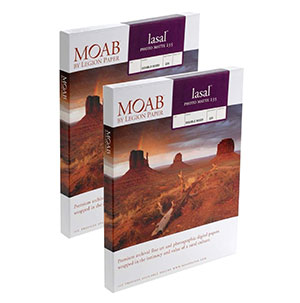
Archival Matte Paper
Archival Matte Paper, also known as Moab Lasal Photo Matte, is our house stock fine art paper and is an economical favorite for fine art reproductions and photo prints. It features a smooth surface, heavy weight (230 g, 9.5-mil), neutral white, matte paper engineered for accurate color reproduction that provides high contrast and high-resolution output. This paper is acid-free, making it the perfect choice for both photography & fine art reproductions.
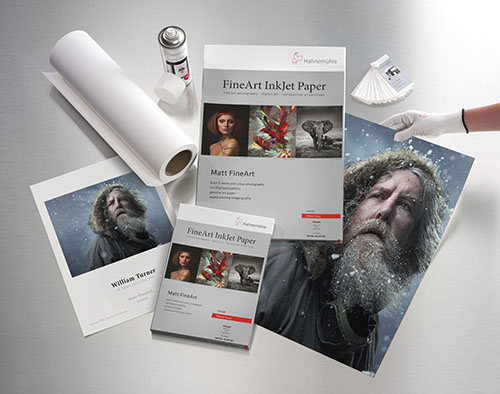
Giclee William Turner Paper by Hahnemühle
The William Turner by Hahnemühle is one of the most popular papers used in the Giclee printing industry. This is a 310g natural white mould made natural line paper with 100% rag content making it highly archival. It has a slight coarse texture which gives photos and artwork an elegant look. These fine art paper prints (also known as Giclee) are ordered by galleries, individual artists and photographers. The papers and inks are not only archival but use some of the most accurate print technology for full color prints.
- Giclee prints use very expensive archival pigmented inks.
- Highest level of color gamut available in printing (12 color printing).
- Exceptional black & white printing.
- Fade resistant, pigmented inks which provide a superior color range compared to other types of inks. Widely preferred in fine art and photography circles.
- We ONLY use professional grade fine art and photo paper that resist yellowing and aging.
Framing
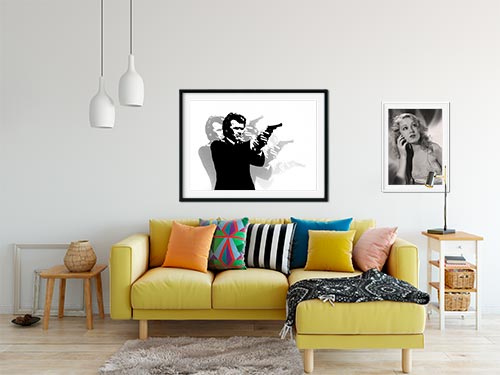
We offer wood and metal frames, custom cut & joined to order. Each framed print includes hanging hardware and foamcore backer.
Matting
We use conservation grade 100% virgin alpha-cellulose 2 ply mats with white core. Acid-free and lignin-free, these are both face resistant and meet all conservation quality standards set by the Fine Art Trade Guild. Mats are digitally cut for ultimate precision. The window will be 1/8″ smaller than the print dimensions.
Glazing (Acrylic Glass)
We offer custom cut panes of shatter-proof, acrylic glass, to protect your valuable artwork and prints.
Premium Clear
Framing grade clear acrylic is shatter resistant and lightweight.
Reflection Control
With its matte finish, Tru Vue Reflection Control® Acrylic scatters light to diminish unwanted glare.
Conservation Clear
Tru Vue Conservation Clear® Acrylic is a framing industry staple, blocking up to 99% of UV rays for ultimate protection.
Conservation Reflection Control
Tru Vue Conservation Reflection Control® Acrylic scatters and diffuses light to reduce unwanted glare. Blocks up to 99% of UV rays.
Related products
-

VERONICA CARLSON DRACULA HAS RISEN FROM THE GRAVE (1968) White Nightgown Bedroom Window Hammer Horror Publicity Photo
$25.00 -
SEAN CONNERY – THUNDERBALL (1965) Rare After-Filming Beach Candid Nassau James Bond 007 BTS Photo
$30.00 -
Peter Cushing & Veronica Carlson – Frankenstein Must Be Destroyed (1969) | Publicity Shot with Script | Hammer Horror | Fine Art Photo
$25.00 -
Susan Denberg – Frankenstein Created Woman (1967) | Bray Studios Dressing Room | Hammer Glamour | Fine Art Photo
$25.00