

INGRID PITT – THE VAMPIRE LOVERS (1970) Carmilla Smiling Candelabra Photo
Limited Edition Photograph (learn more)
In stock
Ingrid Pitt reveals the deceptively charming side of Carmilla Karnstein in this exceptional theatrical image from THE VAMPIRE LOVERS (1970), smiling warmly beside an elaborate antique candelabrum within the elegant surroundings of General Spielsdorf’s estate.
With her flowing hair, jeweled headpiece and alluring period costume giving her an almost regal appearance, Pitt looks beautiful, approachable and completely innocent—which is precisely what makes this image of Hammer’s deadly female vampire so fascinating.
Nothing about Carmilla’s expression warns us what she really is.
She smiles.
She belongs among the elegant guests and elaborate surroundings.
She appears every bit the captivating young woman who would naturally attract attention at a sophisticated gathering.
And beneath that beautiful exterior is a predator.
The Beautiful Deception of Carmilla Karnstein
Directed by Roy Ward Baker for Hammer Film Productions, THE VAMPIRE LOVERS (1970) stars Ingrid Pitt as the beautiful vampire who moves through society under the identities Marcilla, Carmilla and Mircalla Karnstein.
Adapted from Sheridan Le Fanu’s CARMILLA, the film transformed its central vampire into one of Hammer Horror’s most memorable combinations of sensuality, aristocratic refinement and supernatural danger.
This photograph captures an especially important part of that characterization:
Carmilla can look completely harmless.
That is her advantage.
Pitt’s smile changes the entire psychological character of the image.
Rather than the mysterious, composed expression found in other publicity photographs from the same elegant setting, here Carmilla appears open and engaging. Her face is animated, her beauty inviting rather than threatening.
For anyone who knows the character, the contradiction is wonderful.
We know what everyone around her does not.
The charming woman standing beside the candles is a vampire.
That knowledge transforms an elegant publicity photograph into something considerably more intriguing.
The ornate surroundings reinforce the deception beautifully.
A large antique candelabrum rises beside Pitt, its tall candles providing a magnificent Gothic accent, while elaborate wall ornamentation establishes the refined aristocratic environment in which Carmilla can move so naturally.
She does not appear to have invaded this world.
She appears to belong to it.
That distinction is fundamental to Carmilla’s power.
Unlike a visibly monstrous creature that immediately inspires fear, Carmilla can enter a household through beauty, charm and social acceptance.
The danger arrives disguised as someone people want near them.
Pitt’s performance and appearance made that contradiction especially convincing.
Her flowing hair and jeweled headpiece create an almost regal visual identity, while the neckline and softness of her costume retain the sensuality central to Hammer’s interpretation of the character.
But here it is the smile that completes the illusion.
Beautiful.
Elegant.
Alluring.
Deadly.
Those qualities coexist within one expression.
For the serious Ingrid Pitt collector, this makes the photograph particularly effective as a companion to the more enigmatic candelabrum image.
The setting may be similar.
The character revealed by the expression is not.
In one photograph, Pitt’s upward gaze creates mystery and aristocratic distance.
Here, her smile creates warmth and accessibility.
Placed together, the two images demonstrate how something as subtle as expression can completely alter our perception of Carmilla.
That is precisely why sophisticated collectors appreciate variants rather than dismissing them as duplicates.
The background may remain familiar while the psychology changes.
And with Carmilla, psychology matters.
The vampire must first fascinate.
Then attract.
Then gain trust.
Only afterward does the predator reveal herself.
This smiling image captures Carmilla during that crucial first stage of the deception.
There are no fangs.
No blood.
No frightened victim.
No supernatural spectacle.
There is simply Ingrid Pitt looking extraordinarily beautiful within an elegant room.
And because we already know what Carmilla is, the innocence becomes sinister in retrospect.
That gives the photograph its deeper collector WHY.
A violent Carmilla image tells us she is dangerous.
A seductive Carmilla image tells us why her victims desire her.
This smiling Carmilla image tells us why they trust her.
That is an entirely different dimension of the character.
For display, the photograph also possesses exceptional visual elegance. The intricate candelabrum, tall candles, ornamental surroundings, jeweled headpiece and Pitt’s flowing hair create an image that reads first as sumptuous period photography and only afterward as vampire cinema.
That delayed recognition makes it especially sophisticated.
The collector looks once and sees beauty.
Looks again and sees Carmilla.
And then realizes:
the beauty is the weapon.
Preserved within the KissMeMonster photographic archive, this exceptional black-and-white image has been carefully restored to retain the luminous detail of Ingrid Pitt’s smiling expression and flowing hair, her delicate jeweled headpiece, the elaborate antique candelabrum and richly ornamented surroundings—preserving a striking representation of the charm, sensuality and concealed danger that made Carmilla Karnstein one of Hammer Horror’s most memorable vampires.
Product Enquiry
Kodak Professional Endura Paper
Kodak Endura papers provide an incredible amount of detail and smooth transition of tones. Designed for the professional photographer in mind, looking for a more traditional photo print style, Kodak Endura provides an extended print life and color gamut almost at the level of a high end fine art paper print.
Archival Matte Paper
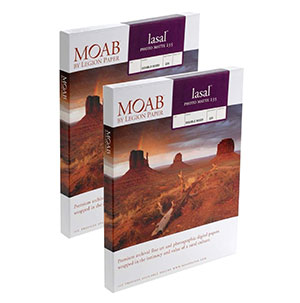
Archival Matte Paper, also known as Moab Lasal Photo Matte, is our house stock fine art paper and is an economical favorite for fine art reproductions and photo prints. It features a smooth surface, heavy weight (230 g, 9.5-mil), neutral white, matte paper engineered for accurate color reproduction that provides high contrast and high-resolution output. This paper is acid-free, making it the perfect choice for both photography & fine art reproductions.
Giclee William Turner Paper by Hahnemühle
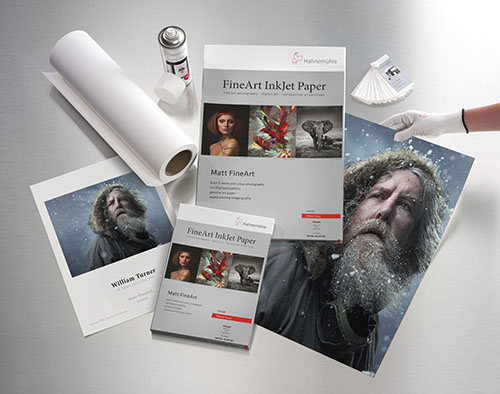
The William Turner by Hahnemühle is one of the most popular papers used in the Giclee printing industry. This is a 310g natural white mould made natural line paper with 100% rag content making it highly archival. It has a slight coarse texture which gives photos and artwork an elegant look. These fine art paper prints (also known as Giclee) are ordered by galleries, individual artists and photographers. The papers and inks are not only archival but use some of the most accurate print technology for full color prints.
- Giclee prints use very expensive archival pigmented inks.
- Highest level of color gamut available in printing (12 color printing).
- Exceptional black & white printing.
- Fade resistant, pigmented inks which provide a superior color range compared to other types of inks. Widely preferred in fine art and photography circles.
- We ONLY use professional grade fine art and photo paper that resist yellowing and aging.
Framing
We offer wood and metal frames, custom cut & joined to order. Each framed print includes hanging hardware and foamcore backer.
Matting
We use conservation grade 100% virgin alpha-cellulose 2 ply mats with white core. Acid-free and lignin-free, these are both face resistant and meet all conservation quality standards set by the Fine Art Trade Guild. Mats are digitally cut for ultimate precision. The window will be 1/8″ smaller than the print dimensions.
Glazing (Acrylic Glass)
We offer custom cut panes of shatter-proof, acrylic glass, to protect your valuable artwork and prints.
Premium Clear
Framing grade clear acrylic is shatter resistant and lightweight.
Reflection Control
With its matte finish, Tru Vue Reflection Control® Acrylic scatters light to diminish unwanted glare.
Conservation Clear
Tru Vue Conservation Clear® Acrylic is a framing industry staple, blocking up to 99% of UV rays for ultimate protection.
Conservation Reflection Control
Tru Vue Conservation Reflection Control® Acrylic scatters and diffuses light to reduce unwanted glare. Blocks up to 99% of UV rays.

Related products
-

PETER CUSHING & VERONICA CARLSON – FRANKENSTEIN MUST BE DESTROYED (1969) Script Reading Behind-the-Scenes Hammer Horror Photo
$30.00 -
AKIKO WAKABAYASHI YOU ONLY LIVE TWICE (1967) James Bond 007 Publicity Photo
$38.00 -
CHRISTOPHER LEE – DRACULA HAS RISEN FROM THE GRAVE (1968) Bloody Coffin Photo
$30.00 -
SEAN CONNERY – THUNDERBALL (1965) Rare Double-Biceps Scuba Beach Candid Bahamas James Bond 007 BTS Photo
$38.00