

KING KONG ESCAPES (1967) Kong Gorosaurus Mechani-Kong Kaiju Promotional Art
Limited Edition Photograph (learn more)
In stock
An explosive promotional image for KING KONG ESCAPES brings King Kong, Gorosaurus and Mechani-Kong together in an extraordinary fantasy of giant-monster destruction. With Kong locked in physical combat with the enormous dinosaur as Mechani-Kong attacks from the opposite side, brilliant energy beams streaking across the frame and destruction erupting behind them, this spectacular composition delivers three unforgettable kaiju within one action-packed image.
The sheer concentration of visual activity is remarkable. Kong grapples directly with Gorosaurus at the center of the composition, the two creatures almost intertwined in combat, while Mechani-Kong advances from the right with an arm extended. Above them, an enormous mechanical structure erupts in smoke and sparks as brilliant beams cut horizontally through the scene. There is virtually no safe space anywhere within the frame.
Even the small group of human figures gathered at the lower edge serves an important visual purpose: their tiny scale makes the monsters towering above them appear truly colossal.
Three Monsters, One Extraordinary Kaiju Spectacle
Directed by Ishirō Honda with special effects supervised by Eiji Tsuburaya, KING KONG ESCAPES (1967), originally released in Japan as KINGU KONGU NO GYAKUSHŪ, was produced through the collaboration of Toho and Rankin/Bass and occupies one of the most unusual positions in King Kong’s long screen history.
The film takes the familiar American monster and places him squarely within the exuberant world of Japanese tokusatsu and kaiju cinema.
And this artwork captures that collision spectacularly.
King Kong provides the internationally recognized monster icon. Gorosaurus supplies the prehistoric adversary. Mechani-Kong introduces the technological counterpart—a gigantic mechanical imitation of Kong himself. Together they represent three completely different forms of fantastic creature imagery: living giant ape, prehistoric monster and machine.
Gorosaurus is particularly important to the image. The enormous theropod kaiju battles Kong in one of the film’s memorable monster confrontations and would subsequently become part of Toho’s broader monster universe.
Mechani-Kong provides an equally distinctive contrast. Rather than another organic creature, Kong confronts something fashioned in his own image—a towering armored machine whose mechanical body and weaponry create a striking visual opposition to the living monster.
That combination gives the artwork an almost irresistible excess. Instead of asking the viewer to choose between dinosaur battle, giant robot spectacle or King Kong destruction, the composition simply delivers everything at once.
Because this is promotional artwork rather than a conventional production still, the image can heighten those ingredients into an impossible visual crescendo. Monster scale, combat, technology, explosions, smoke and human vulnerability are condensed into a single dramatic tableau designed to communicate spectacle instantly.
For collectors of King Kong and Japanese fantastic cinema, that density gives the image exceptional appeal. It is not merely another representation of Kong—it brings together Kong, Gorosaurus and Mechani-Kong, three distinct monster identities connected to Toho’s remarkable 1960s kaiju tradition, under the creative stewardship of two towering figures in Japanese genre cinema: Ishirō Honda and Eiji Tsuburaya.
Few promotional images could summarize the gloriously extravagant imagination of KING KONG ESCAPES more effectively: flesh against flesh, flesh against machine, and humanity reduced to spectators beneath an enormous collision of monsters.
Preserved within the KissMeMonster photographic archive, this extraordinary black-and-white promotional image has been carefully restored to retain the intricate creature textures, metallic detail of Mechani-Kong, brilliant energy effects, turbulent smoke and explosive tonal contrasts of the original source material—reviving the tremendous scale and wonderfully excessive kaiju spectacle of this distinctive KING KONG ESCAPES artwork.
Product Enquiry
Kodak Professional Endura Paper
Kodak Endura papers provide an incredible amount of detail and smooth transition of tones. Designed for the professional photographer in mind, looking for a more traditional photo print style, Kodak Endura provides an extended print life and color gamut almost at the level of a high end fine art paper print.
Archival Matte Paper
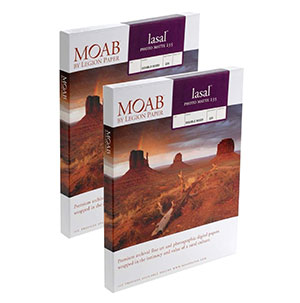
Archival Matte Paper, also known as Moab Lasal Photo Matte, is our house stock fine art paper and is an economical favorite for fine art reproductions and photo prints. It features a smooth surface, heavy weight (230 g, 9.5-mil), neutral white, matte paper engineered for accurate color reproduction that provides high contrast and high-resolution output. This paper is acid-free, making it the perfect choice for both photography & fine art reproductions.
Giclee William Turner Paper by Hahnemühle
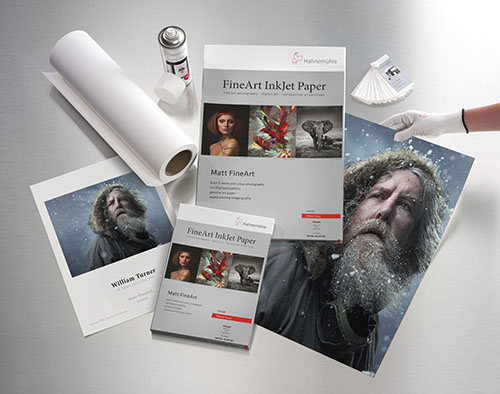
The William Turner by Hahnemühle is one of the most popular papers used in the Giclee printing industry. This is a 310g natural white mould made natural line paper with 100% rag content making it highly archival. It has a slight coarse texture which gives photos and artwork an elegant look. These fine art paper prints (also known as Giclee) are ordered by galleries, individual artists and photographers. The papers and inks are not only archival but use some of the most accurate print technology for full color prints.
- Giclee prints use very expensive archival pigmented inks.
- Highest level of color gamut available in printing (12 color printing).
- Exceptional black & white printing.
- Fade resistant, pigmented inks which provide a superior color range compared to other types of inks. Widely preferred in fine art and photography circles.
- We ONLY use professional grade fine art and photo paper that resist yellowing and aging.
Framing
We offer wood and metal frames, custom cut & joined to order. Each framed print includes hanging hardware and foamcore backer.
Matting
We use conservation grade 100% virgin alpha-cellulose 2 ply mats with white core. Acid-free and lignin-free, these are both face resistant and meet all conservation quality standards set by the Fine Art Trade Guild. Mats are digitally cut for ultimate precision. The window will be 1/8″ smaller than the print dimensions.
Glazing (Acrylic Glass)
We offer custom cut panes of shatter-proof, acrylic glass, to protect your valuable artwork and prints.
Premium Clear
Framing grade clear acrylic is shatter resistant and lightweight.
Reflection Control
With its matte finish, Tru Vue Reflection Control® Acrylic scatters light to diminish unwanted glare.
Conservation Clear
Tru Vue Conservation Clear® Acrylic is a framing industry staple, blocking up to 99% of UV rays for ultimate protection.
Conservation Reflection Control
Tru Vue Conservation Reflection Control® Acrylic scatters and diffuses light to reduce unwanted glare. Blocks up to 99% of UV rays.
Related products
-

BARBARA STEELE – THE LONG HAIR OF DEATH (1964) Italian Gothic Horror Portrait
$38.00 -
KLAUS KINSKI – FITZCARRALDO (1982) Leopard Tapestry Portrait Werner Herzog Photo
$25.00 -
PETER CUSHING – FRANKENSTEIN AND THE MONSTER FROM HELL (1974) Baron Frankenstein Portrait
$30.00 -
INGRID PITT – COUNTESS DRACULA (1971) Countess Elizabeth Báthory Portrait
$38.00