

June Palmer Taste the Blood of Dracula (1970) Bordello Scene Hammer Glamour Publicity Photograph
Limited Edition Photograph (learn more)
In stock
JUNE PALMER appears in this striking color glamour publicity photograph associated with Hammer Film Productions’ Taste the Blood of Dracula (1970), portraying the atmosphere of the film’s bordello sequence through elaborate costume, dramatic lighting and a richly detailed studio setting. Wearing a deep red costume against a luxurious gold curtain backdrop, Palmer’s pose and styling reflect the theatrical visual language often used in Hammer’s promotional photography during the late 1960s and early 1970s. The image captures the combination of elegance, sensuality and period atmosphere that made Hammer Horror instantly recognizable among cinema audiences and collectors.
This photograph is especially appealing because it represents the intersection of Hammer Glamour photography and Gothic film history. Rather than a conventional scene still, the carefully arranged composition presents June Palmer as part of the film’s decadent Victorian world, emphasizing costume design, color and character atmosphere. The rich red tones, ornate background and studio presentation create an image that feels closely connected to the visual identity of Taste the Blood of Dracula while remaining a collectible portrait in its own right.
For collectors searching for June Palmer Taste the Blood of Dracula 1970 material, this photograph provides a fascinating connection to one of Hammer’s most visually distinctive Dracula productions. Palmer’s appearance adds further interest because she was already recognized as one of Britain’s most photographed glamour models and actresses during this period, bringing a unique presence to the film’s adult-oriented Gothic atmosphere.
Released in 1970, Taste the Blood of Dracula continued Hammer Film Productions’ celebrated Dracula cycle with Christopher Lee returning as Count Dracula. Directed by Peter Sasdy, the film also stars Geoffrey Keen, Gwen Watford, Linda Hayden, Peter Sallis, Anthony Corlan, Isla Blair and Ralph Bates as Lord Courtley.
The film follows three outwardly respectable Victorian gentlemen who become involved with Lord Courtley and a forbidden ritual connected to Dracula’s remains. After Dracula’s return, he seeks revenge against those responsible by targeting their families and exploiting the hidden corruption beneath their respectable appearances. The story combines Hammer’s traditional Gothic style with themes of temptation, hypocrisy and punishment.
The production is notable for its atmospheric use of color, elaborate interiors and dramatic set design. Unlike the earlier black-and-white horror traditions that influenced the genre, Hammer’s late-1960s and early-1970s productions embraced rich color photography, allowing costumes, lighting and production design to become essential parts of the storytelling. This photograph reflects that approach perfectly, with its bold palette and carefully arranged visual details.
June Palmer’s contribution to British cinema history extends beyond this single appearance. During the 1960s and 1970s she became known for glamour photography, television appearances and genre film roles, making her a recognizable figure within the era’s popular culture. Photographs like this preserve the connection between film promotion, fashion photography and the changing image of British entertainment during the period.
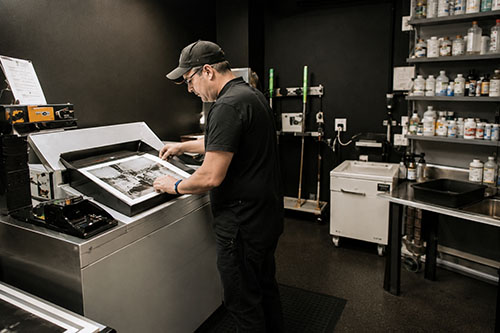
Carefully restored from historic photographic source material and professionally lab-developed, this museum-quality photograph is presented uncropped, preserving the complete image area contained in the source. Restoration recovers natural color balance, facial detail, costume texture, fabric detail and original photographic clarity while maintaining the character and tonal quality of the historic color image. The finished photograph contains no AI-generated image content.
A distinctive piece for collectors of June Palmer, Hammer Films, Christopher Lee’s Dracula cycle, British Gothic horror and vintage cinema glamour photography, this image captures the lavish visual style and unforgettable atmosphere of classic Hammer Horror.
Product Enquiry
Kodak Professional Endura Paper
Kodak Endura papers provide an incredible amount of detail and smooth transition of tones. Designed for the professional photographer in mind, looking for a more traditional photo print style, Kodak Endura provides an extended print life and color gamut almost at the level of a high end fine art paper print.
Archival Matte Paper
Archival Matte Paper, also known as Moab Lasal Photo Matte, is our house stock fine art paper and is an economical favorite for fine art reproductions and photo prints. It features a smooth surface, heavy weight (230 g, 9.5-mil), neutral white, matte paper engineered for accurate color reproduction that provides high contrast and high-resolution output. This paper is acid-free, making it the perfect choice for both photography & fine art reproductions.
Giclee William Turner Paper by Hahnemühle
The William Turner by Hahnemühle is one of the most popular papers used in the Giclee printing industry. This is a 310g natural white mould made natural line paper with 100% rag content making it highly archival. It has a slight coarse texture which gives photos and artwork an elegant look. These fine art paper prints (also known as Giclee) are ordered by galleries, individual artists and photographers. The papers and inks are not only archival but use some of the most accurate print technology for full color prints.
- Giclee prints use very expensive archival pigmented inks.
- Highest level of color gamut available in printing (12 color printing).
- Exceptional black & white printing.
- Fade resistant, pigmented inks which provide a superior color range compared to other types of inks. Widely preferred in fine art and photography circles.
- We ONLY use professional grade fine art and photo paper that resist yellowing and aging.
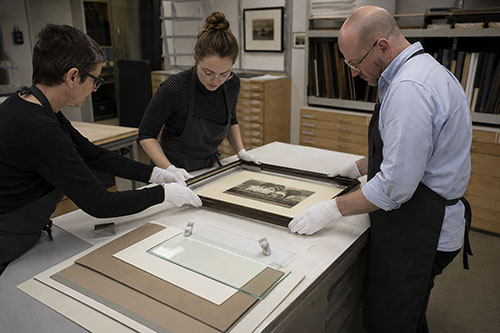
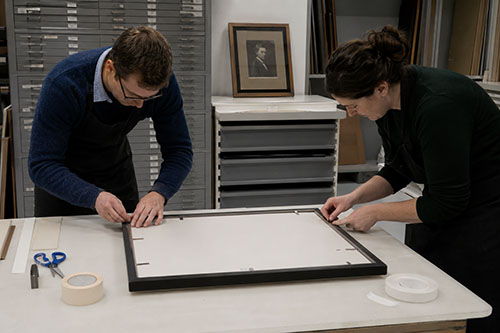
Framing
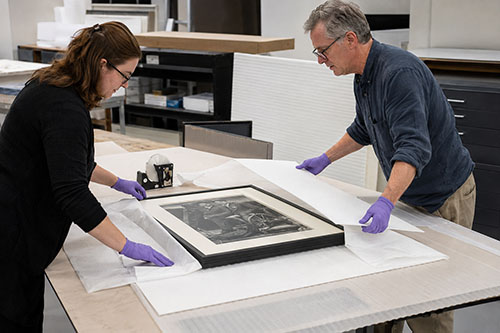
We offer wood and metal frames, custom cut & joined to order. Each framed print includes hanging hardware and foamcore backer.
Matting
We use conservation grade 100% virgin alpha-cellulose 2 ply mats with white core. Acid-free and lignin-free, these are both face resistant and meet all conservation quality standards set by the Fine Art Trade Guild. Mats are digitally cut for ultimate precision. The window will be 1/8″ smaller than the print dimensions.
Glazing (Acrylic Glass)
We offer custom cut panes of shatter-proof, acrylic glass, to protect your valuable artwork and prints.
Premium Clear
Framing grade clear acrylic is shatter resistant and lightweight.
Reflection Control
With its matte finish, Tru Vue Reflection Control® Acrylic scatters light to diminish unwanted glare.
Conservation Clear
Tru Vue Conservation Clear® Acrylic is a framing industry staple, blocking up to 99% of UV rays for ultimate protection.
Conservation Reflection Control
Tru Vue Conservation Reflection Control® Acrylic scatters and diffuses light to reduce unwanted glare. Blocks up to 99% of UV rays.
Related products
-

Hazel Court – Holiday Camp (1947) Joan Huggett Two-Piece Swimsuit Ladder Glamour Publicity Photo
$30.00 -
Robert Hossein & Marie-France Pisier – Le Vampire de Düsseldorf (1965) Peter Kürten & Anna Death Scene High-Angle Crime Thriller Photo
$30.00 -
Ingrid Pitt – The Vampire Lovers (1970) Marcilla Red Gown Moor Park Mansion Photo
$25.00 -
Christopher Lee – Taste the Blood of Dracula (1970) Red-Eyed Fanged Count Dracula Extreme Close-Up Hammer Horror Photo
$30.00


